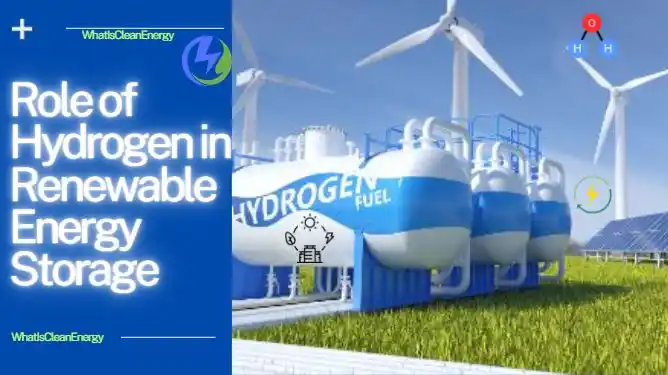

Underground hydrogen storage is a method of storing hydrogen gas in large quantities beneath the Earth’s surface. This technique is gaining attention as the world looks for sustainable energy solutions. Hydrogen is a clean fuel, and storing it underground can help manage supply and demand, ensuring a steady energy supply.
What is Hydrogen?
Hydrogen is the most abundant element in the universe. It is a clean fuel that, when used, produces only water as a byproduct. This makes it an attractive option for reducing greenhouse gas emissions. Hydrogen can be produced from various sources, including water, natural gas, and biomass.
Why Store Hydrogen Underground?
Storing hydrogen underground has several benefits. It allows for storing large quantities of hydrogen, which can be used when demand is high. This helps balance supply and demand, ensuring a reliable energy supply. Additionally, underground storage can be safer and more cost-effective than above-ground storage.

✅ Safety: Hydrogen is highly flammable and has a low ignition temperature. Storing it underground, especially in salt caverns or depleted gas fields, minimizes the risk of leaks and explosions.
✅ Space Efficiency: Hydrogen has a low density, meaning it requires a lot of space to store at atmospheric pressure. Underground storage allows for large volumes to be stored in a compact area.
✅ Cost-Effectiveness: Underground storage is generally cheaper than above-ground options, especially for large-scale storage. It also leverages existing geological formations, reducing the need for new infrastructure.
✅ Support for Renewable Energy: Hydrogen can be produced using excess renewable energy (like wind or solar) and stored for later use. This helps balance the grid and ensures a steady supply of energy even when renewable sources are not generating power.
✅ Long-Term Storage: Underground storage can safely store hydrogen for extended periods, making it ideal for seasonal energy storage and ensuring a reliable supply.
Types of Underground Hydrogen Storage
There are several methods for storing hydrogen underground. Each method has its advantages and challenges.
Salt Caverns

Salt caverns are created by dissolving salt deposits with water to form large, hollow spaces. These caverns are ideal for hydrogen storage because they are impermeable and can withstand high pressures. The process of creating salt caverns is relatively quick and cost-effective.
Depleted Oil and Gas Fields

Depleted oil and gas fields are another option for underground hydrogen storage. These fields have already been drilled and have the necessary infrastructure in place. Using these fields for hydrogen storage can be cost-effective and environmentally friendly, as it repurposes existing resources.
Aquifers (Porous Rock Formations)
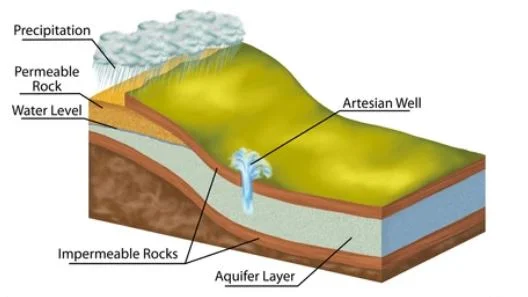
Aquifers are underground layers of water-bearing rock. Hydrogen can be stored in these porous rocks, much as natural gas is stored. However, this method requires careful management to prevent hydrogen from escaping and to protect water quality.
Hard Rock Caverns
Hard rock caverns are excavated underground chambers built in crystalline rock formations such as granite or basalt, designed to store gases under pressure. While they have been successfully used for hydrocarbons and compressed air, their application for hydrogen is still in the research and pilot stage. The main appeal lies in their flexibility — they can be constructed in regions without salt deposits — but challenges like high excavation costs and the need for advanced lining systems to prevent hydrogen leakage must be overcome before they become a commercially viable storage option.
Abandoned Mines
Abandoned mines are another potential option for underground hydrogen storage, though they remain largely conceptual at this stage. These sites offer ready‑made underground spaces that could reduce excavation costs compared to building new caverns. Their appeal lies in reusing existing infrastructure, which supports sustainability and cost efficiency. However, abandoned mines often exhibit irregular geometries, structural instability, and safety risks, making them less reliable for storing hydrogen under pressure. As a result, while they present an interesting opportunity, significant engineering and safety challenges must be addressed before abandoned mines can become a practical solution for large‑scale hydrogen storage.
How is Hydrogen Stored?
Storing hydrogen underground involves several steps. First, hydrogen is produced and transported to the storage site. It is then injected into the underground storage facility, where it is kept under high pressure. Monitoring systems are used to ensure the hydrogen remains safely stored and to detect any leaks.
How is Hydrogen Stored Underground?
Hydrogen is stored underground in various geological formations such as salt caverns, depleted oil and gas fields, and aquifers. The process involves producing hydrogen, transporting it to the storage site, and injecting it into the underground facility where it is kept under high pressure. Monitoring systems ensure the hydrogen remains safely stored and detects any leaks.
Costs of Underground Hydrogen Storage
How Much Does It Cost to Store Underground Hydrogen?
The cost of storing hydrogen underground varies depending on the method and location. For example, storing hydrogen in salt caverns is generally more cost-effective compared to other methods. According to a report, the levelized cost of hydrogen storage can range significantly, but specific figures depend on the scale and technology used.
What Are the Risks of Underground Hydrogen Storage?
The risks of underground hydrogen storage include potential leaks due to hydrogen’s small molecular size, which can escape through tiny cracks and pores. There is also the risk of chemical reactions with the surrounding rock and water, which could lead to contamination or loss of hydrogen.
Challenges of Underground Hydrogen Storage
While underground hydrogen storage has many benefits, it also presents challenges. One of the main challenges is ensuring the integrity of the storage site. Hydrogen is a small molecule that can easily escape through tiny cracks and pores. Therefore, storage sites must be carefully selected and maintained.
Another challenge is the cost of infrastructure. Building and maintaining underground storage facilities can be expensive. However, the long-term benefits of a stable and reliable hydrogen supply can outweigh these costs.
What Are the Pros and Cons of Hydrogen Storage?
✅ High Energy Density by Weight
✅ Clean energy source with water as the only byproduct.
✅ Grid Balancing
✅ It can be produced from various renewable sources.
❌High costs of production and storage infrastructure.
❌Safety risks due to flammability and explosiveness.
❌Potential for hydrogen loss due to leaks and microbial activity.
Future of Underground Hydrogen Storage
The future of underground hydrogen storage looks promising. As the demand for clean energy grows, so does the need for efficient storage solutions. Advances in technology and increased investment in hydrogen infrastructure are likely to drive the development of underground storage methods.
Conclusion
Underground hydrogen storage is an important component of a sustainable energy future. It offers a way to store large quantities of hydrogen safely and efficiently. While there are challenges to overcome, the benefits of a reliable and clean energy supply make it a worthwhile investment. As technology advances, underground hydrogen storage will play an increasingly important role in meeting the world’s energy needs.